Common Signs of a Failing Clutch
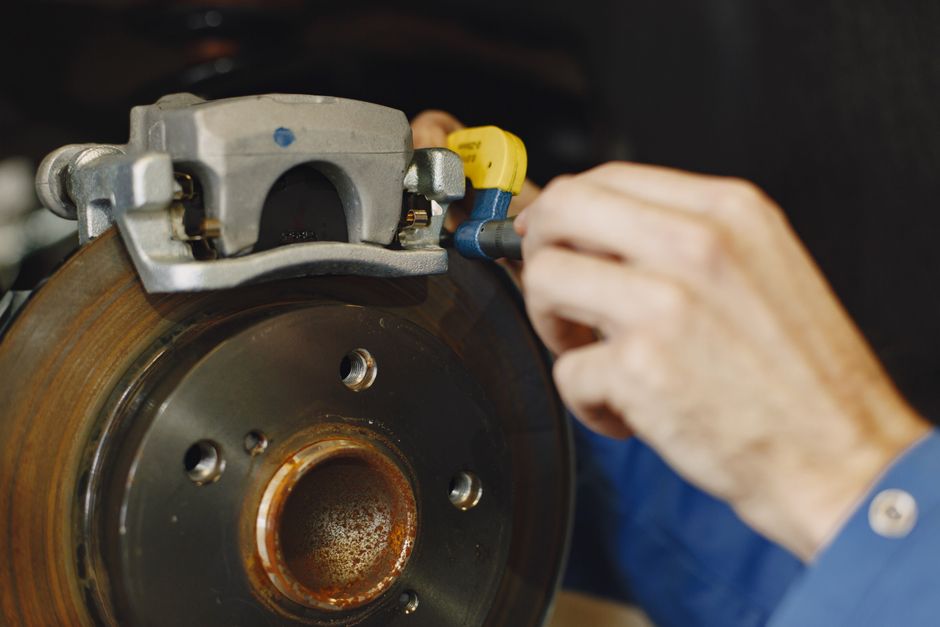
The clutch system in a vehicle plays a central role in transmitting engine power to the transmission while allowing the driver to manually engage or disengage the drivetrain. Over time, the components that make up this system experience wear due to heat, friction, and mechanical stress. Recognizing the early signs of a clutch that is beginning to lose its effectiveness can help vehicle owners understand when to seek a professional inspection. While the exact symptoms can vary depending on driving habits, vehicle model, and the type of clutch system installed, several common indicators appear regularly in vehicles with manual transmissions.
Paying attention to changes in how the clutch feels, sounds, and performs is a practical way to stay informed about its condition. Some of these signs, such as a noticeable burning smell or difficulty engaging gears, may become more pronounced over time. Others, like subtle vibrations or changes in pedal resistance, might develop gradually. Understanding what these symptoms generally mean and how they relate to specific clutch components provides a useful framework for discussing the matter with a qualified technician.
This article outlines several common signs that may point to a clutch system under stress. The descriptions focus on what drivers might experience and why those experiences can be relevant when evaluating clutch health. It is not intended to replace a professional diagnosis but rather to offer context for those who wish to be more informed about their vehicle’s behavior.
Slipping Gears and Loss of Power Transfer
One of the more frequently reported symptoms of a clutch that is beginning to fail is the sensation that the engine is revving faster than usual without a corresponding increase in vehicle speed. Often described as the clutch “slipping,” this condition can occur on uphill climbs, during hard acceleration, or even under normal driving conditions. The underlying cause is typically related to a worn friction disc that can no longer maintain a firm grip on the flywheel. When the clutch pedal is fully released, the friction material should lock the engine and transmission together. As the material wears down, the clamping force may become insufficient, allowing the engine speed to rise while the vehicle does not accelerate as expected.
Oil contamination from leaking engine or transmission seals can also contribute to slipping. In such cases, the friction surface loses its ability to hold securely. While occasional, minor slipping may not immediately disable the vehicle, it tends to worsen over time as further wear occurs. Drivers may notice that the clutch engages at a higher point in the pedal travel than before, which can be another clue. A slipping clutch places additional heat into the system, potentially accelerating damage to other components such as the pressure plate or release bearing. Monitoring whether the engine speed and vehicle speed remain in sync during acceleration helps in identifying this pattern.
Burning Odor from the Clutch Area
A distinct burning smell, often compared to the odor of overheated brakes or a scorched paper-like scent, can be an indication that the clutch friction material is overheating. This smell typically occurs when the clutch is heavily engaged for extended periods, such as during stop-and-go traffic, while holding the vehicle on a hill using the clutch, or during aggressive driving. The heat generated by prolonged slipping can cause the friction material to glaze over or break down, reducing its effectiveness and emitting a noticeable odor.
In some situations, a burning smell may also result from a dragging clutch that is not fully disengaging, causing constant light contact between the disc and flywheel. This continuous friction generates heat even when the pedal is pressed. While an occasional faint smell during heavy use may not signal immediate failure, persistent or strong burning odors suggest that the clutch is subject to conditions that accelerate wear. Drivers who detect such smells repeatedly should consider having the system inspected to understand whether the operating technique, the clutch adjustment, or the components themselves are the primary source of the issue.
Difficulty Engaging or Changing Gears
Difficulty when moving the gearshift lever into or out of gear can point to a problem with the clutch’s ability to fully disengage. When the clutch pedal is pressed, the system should separate the engine from the transmission, allowing the driver to shift gears without resistance or grinding. If the clutch does not release completely, the transmission input shaft continues to rotate, making gear engagement feel notchy, stiff, or accompanied by a grinding noise. This condition is often described as “clutch drag” and can be linked to a variety of causes: a worn or misadjusted clutch cable, air in the hydraulic line, a failing master or slave cylinder, or a warped pressure plate.
In some cases, difficulty shifting into reverse or first gear may be the first noticeable symptom because these gears typically lack synchronizers in some transmissions. Drivers may find that they need to force the lever or that a double-clutching technique becomes necessary to get the gear to select. Over time, this difficulty can lead to increased wear on synchronizers and other transmission components. While a simple hydraulic fluid flush or cable adjustment may resolve the issue in some vehicles, internal clutch wear can also be the root cause. A professional assessment is often needed to isolate the exact source of the problem.
Changes in Clutch Pedal Feel and Travel
The way the clutch pedal feels under the driver’s foot can provide valuable clues about the condition of the system. A pedal that feels abnormally soft or spongy often indicates the presence of air or moisture in the hydraulic fluid, which reduces the pressure available to disengage the clutch. On the other hand, a pedal that is unusually stiff or requires more force to depress may point to a binding linkage, a damaged release bearing, or a worn pressure plate. Sometimes the pedal may vibrate or pulse when pressed, suggesting that the pressure plate fingers are unevenly worn or that the flywheel surface is not perfectly flat.
A change in where the clutch engages relative to the pedal travel is also worth noting. As the friction material wears, the engagement point typically moves higher toward the top of the pedal stroke. If the engagement becomes very close to the floor or changes suddenly, it may indicate a hydraulic leak or a mechanical adjustment issue. Drivers who are familiar with the normal feel of their vehicle’s clutch can often notice these gradual changes more easily. Documenting when the pedal behavior changes and under what circumstances can help a technician narrow down the potential causes more efficiently.
Unusual Noises When Operating the Clutch
Noises that arise specifically when the clutch pedal is pressed or released can be signs of mechanical distress. A chirping or squealing sound that occurs as the pedal is pushed down and disappears when it is released may involve the release bearing (also called the throwout bearing). This bearing applies force against the pressure plate fingers to disengage the clutch. When it becomes dry, worn, or misaligned, it can produce noticeable noise. If left unaddressed, a failing release bearing can eventually seize or damage the pressure plate fingers, leading to more extensive repairs.
A rumbling or growling noise that changes with engine speed but not with vehicle speed might indicate a problem with the pilot bearing or bushing located in the center of the flywheel. Other sounds, such as a clicking or rattling when the pedal is fully released, could relate to loose components in the clutch assembly or a worn clutch disc hub. While some noise may be present in older vehicles without indicating imminent failure, any sound that is new, persistent, or changes in character should be noted. Sharing these observations with a repair shop can assist in diagnosing whether disassembly and inspection are warranted.
Summary and Next Steps
Recognizing the common signs of a clutch that may be wearing out allows drivers to approach maintenance decisions with more context. Symptoms such as slipping, burning odors, shifting difficulties, unusual pedal behavior, and strange noises all relate to specific components and conditions within the clutch system. However, these signs do not always point to the same underlying problem, and multiple factors can contribute to a single symptom. For example, a slipping clutch may result from worn friction material, oil contamination, or improper adjustment, each requiring a different corrective approach.
When any of these signs become noticeable, a visit to a qualified service facility such as AutoFix can help clarify the situation. A technician can perform a thorough inspection, measure clutch free play, check hydraulic fluid levels and condition, and test the clutch’s ability to engage and disengage properly. This type of evaluation provides a clearer picture of whether the clutch needs replacement, adjustment, or simply a change in driving habits. Maintaining an awareness of clutch behavior supports more informed conversations with professionals and helps ensure that any necessary service is based on actual condition rather than assumption.