Why Your Brake Pads Wear Out Quickly
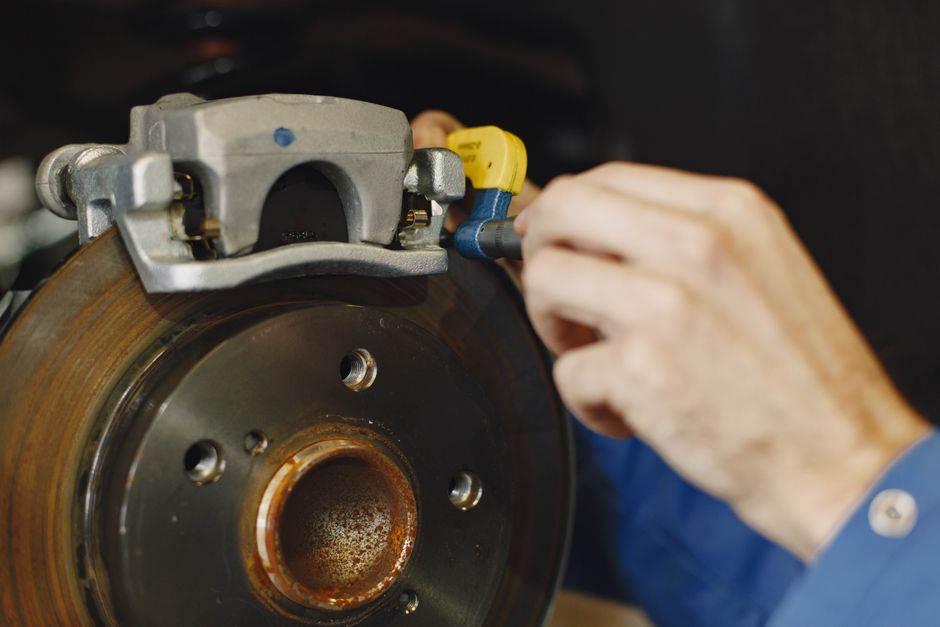
Brake pads are a critical component in any vehicle’s braking system, and their wear rate can vary significantly from one driver to another. Understanding the factors that influence how quickly brake pads degrade is essential for making informed decisions about vehicle maintenance. While some wear is inevitable, the rate at which it occurs depends on a combination of driving conditions, material choices, and environmental influences. This article explores the key elements that contribute to brake pad wear and offers a process-oriented perspective on how drivers can approach brake system care without assuming guaranteed outcomes.
By examining driving habits, pad composition, heat management, and other relevant aspects, it becomes possible to see why some sets of brake pads last longer than others. The goal here is to provide a neutral, informational overview that helps readers contextualize their own experiences. No specific results are promised, but the information presented may assist in making more deliberate choices regarding brake system maintenance.
Driving Habits and Environmental Conditions
The way a vehicle is driven has a direct influence on brake pad wear. Frequent stop-and-go traffic, for example, requires constant application of the brakes, which naturally increases the rate of friction material consumption. In contrast, highway driving with minimal stopping tends to produce less wear over the same distance. The environment also plays a role: urban driving with many intersections, traffic lights, and congestion leads to more brake usage compared to rural or suburban routes with fewer stops.
Additionally, the load carried by the vehicle affects brake pad wear. Heavier loads require more braking force to slow down or stop, which increases the temperature and pressure on the pads. Towing a trailer or carrying heavy cargo can accelerate wear, especially if done regularly. Similarly, driving on steep or hilly terrain forces the brakes to work harder during descents, as the driver must apply them repeatedly to maintain control. These conditions place greater thermal and mechanical stress on the pads, potentially reducing their service life.
Driver behavior also matters. Aggressive braking—such as stopping suddenly or braking late—creates more friction and heat than gradual, controlled deceleration. Smooth braking techniques, where the driver anticipates stops and applies pressure progressively, tend to reduce wear. While individual driving styles vary, the cumulative effect of these habits over time is a significant factor in how quickly brake pads wear out.
Brake Pad Material Composition
Brake pads are manufactured from different materials, each with distinct characteristics that influence wear rates. The three main types are organic (also called non-asbestos organic or NAO), semi-metallic, and ceramic. Organic pads are made from a blend of fibers, fillers, and binders. They are generally softer, which means they wear more quickly but produce less noise and rotor wear. They are often used in lighter vehicles or for everyday commuting where extreme braking is less common.
Semi-metallic pads contain a high percentage of metal fibers, such as steel, copper, or iron. These pads are harder and more durable, offering better heat dissipation and longer life under heavy use. However, they can be harder on rotors and may generate more noise. Because of their composition, they tend to wear more slowly than organic pads in many conditions, but they may not be ideal for all driving environments.
Ceramic pads use a combination of ceramic fibers and bonding materials. They provide a balance between longevity, noise reduction, and rotor friendliness. Ceramic pads typically wear at a moderate rate and produce less dust. Their performance in high-temperature situations is often good, but they may not be as effective in extreme cold or wet conditions. The choice of pad material is a factor that manufacturers and drivers can consider based on typical driving patterns and desired characteristics.
Heat Dissipation and Brake System Design
Heat is a natural byproduct of braking. When the brake pads press against the rotors, friction generates thermal energy. If this heat is not dissipated effectively, it can accelerate pad wear and reduce braking performance. The design of the brake system—including rotor size, ventilation, and airflow—plays a key role in managing temperature. Larger rotors or those with internal vanes (ventilated rotors) help dissipate heat more efficiently, which can slow the rate of pad degradation.
In some driving scenarios, such as repeated hard braking from high speeds or descending long grades, the brake system can accumulate heat faster than it can shed it. This condition, sometimes referred to as brake fade, occurs when the friction material reaches temperatures beyond its optimal range. At that point, the pad may transfer less friction to the rotor, leading to a sensation of reduced stopping power and potentially causing uneven or accelerated wear. The ability of the pads to withstand such thermal loads depends on their material composition as well as the overall cooling capabilities of the brake assembly.
Drivers who frequently encounter such conditions—for example, those in mountainous regions or those who engage in spirited driving—may observe faster pad wear. In these cases, choosing pads designed for higher temperature ranges or upgrading to ventilated rotors could be considerations. It is important to note that no single solution guarantees extended life, as the interaction between heat, material, and driving style is complex.
Maintenance and Environmental Factors
Beyond driving and materials, external conditions also influence brake pad wear. Moisture, road salt, and debris can affect the friction surface. In regions with harsh winters, salt and sand can become embedded in the pads or rotors, increasing abrasion. Similarly, rust formation on rotors, especially after periods of inactivity, can cause initial uneven wear when driving resumes. While these effects are often minor, they accumulate over time.
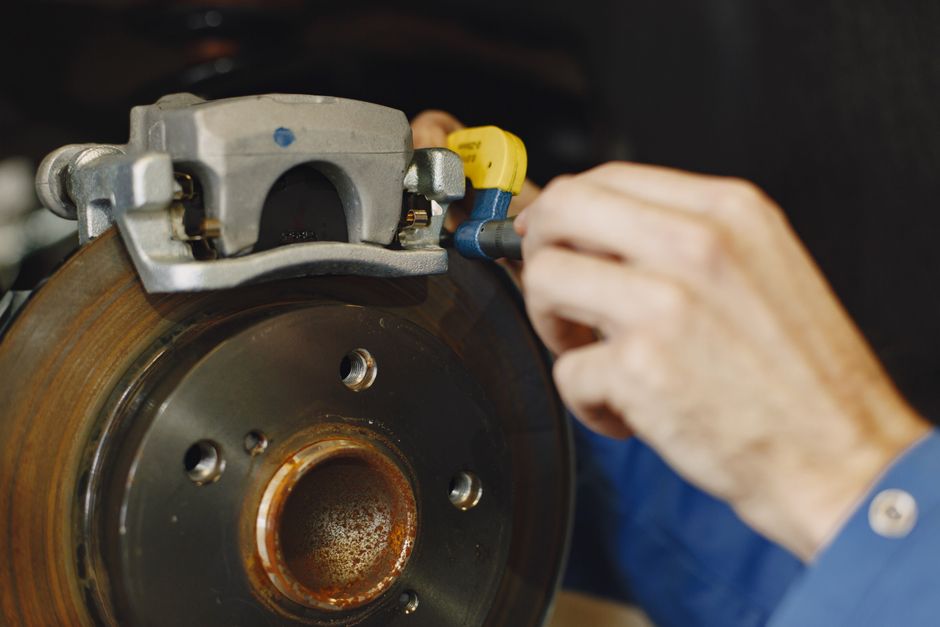
Proper installation and bedding-in procedures also contribute to pad longevity. When new pads are installed, a break-in process allows the pad material to transfer an even layer onto the rotor surface. If this process is not performed correctly, uneven contact can develop, leading to premature wear, vibration, or noise. Following the manufacturer’s recommended bedding procedure is a step that supports consistent performance, but it does not guarantee a specific lifespan.
Regular inspection of the brake system is another aspect that can provide insights into wear patterns. Checking pad thickness, rotor condition, and fluid levels at routine intervals allows drivers to track changes over time. Such observations can help in anticipating when replacement might be needed, though actual mileage varies widely. Environmental factors like humidity and temperature cycles also play a role in the degradation of brake components, including seals and calipers, which can indirectly affect pad wear.
Considerations for Extending Brake Pad Life
While no single action can guarantee longer brake pad life, certain approaches may help drivers manage wear more effectively. Adopting a smoother driving style, with gradual braking and increased following distance, reduces the frequency and intensity of brake applications. This approach can lower the thermal load on the pads, potentially slowing wear. Similarly, matching the brake pad material to the vehicle’s primary use—such as choosing semi-metallic for heavy towing or ceramic for daily commuting—aligns the component with the expected demands.
Routine maintenance, such as keeping the brake system clean and ensuring proper caliper function, also supports consistent wear. Sticking calipers or worn hardware can cause uneven pad contact, leading to accelerated wear on one side. Addressing these issues during inspections may help prevent premature replacement. Additionally, avoiding conditions that cause excessive heat buildup, such as prolonged downhill braking without engine braking, can reduce stress on the pads.
It is worth noting that brake pad life is influenced by many variables that are often beyond the driver’s control, including road surface quality, traffic patterns, and weather. The information presented here is intended to provide a clearer understanding of these factors, rather than prescribe a specific course of action. Ultimately, observing how a particular set of pads performs under individual driving conditions offers the most practical guidance for future choices.