Scheduling Regular Maintenance for Long Engine Life

Regular engine maintenance is a key aspect of vehicle ownership that many drivers consider essential for long-term reliability. Following the intervals recommended by the vehicle manufacturer helps ensure that critical components receive attention before they reach a point of failure. These intervals are typically based on extensive testing and engineering data, providing a structured approach to maintaining engine health over time.
While no maintenance plan can guarantee that a vehicle will never experience a mechanical issue, adhering to a schedule can reduce the likelihood of unexpected breakdowns. In addition, consistent upkeep often plays a role in preserving the vehicle’s resale value. Service records that demonstrate regular maintenance may be viewed favorably by potential buyers, as they indicate that the engine and related systems have been cared for according to established guidelines.
This article explores the main elements of a routine maintenance schedule, including oil changes, belt replacements, and fluid checks. It also discusses how these practices fit into a broader strategy of preventive vehicle care.
Understanding Manufacturer Maintenance Schedules
Every vehicle comes with an owner’s manual that outlines a maintenance schedule designed for that specific model. These schedules are developed by engineers who understand the wear patterns and service requirements of the engine and its components. They account for factors such as driving conditions, climate, and typical usage patterns.
Manufacturer schedules typically separate maintenance into two categories: normal and severe. Severe driving conditions might include frequent short trips, stop-and-go traffic, extreme temperatures, or towing. For drivers who encounter such conditions, the manual often recommends more frequent service intervals. Understanding which category applies to your driving habits can help in planning appropriate maintenance.
Service centers like AutoFix often provide reminders based on these manufacturer guidelines, making it easier for vehicle owners to stay on track. Consulting the owner’s manual and discussing driving habits with a technician can help tailor the schedule to individual needs.
Oil Change Intervals and Their Role
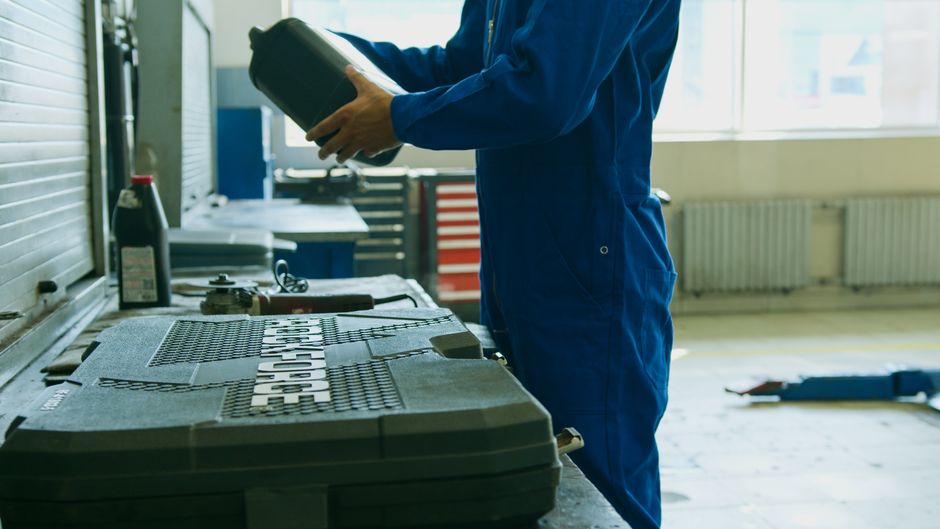
Oil changes are among the most frequently performed maintenance tasks. Engine oil lubricates moving parts, reduces friction, and helps carry away heat. Over time, oil breaks down and becomes contaminated with particles and combustion byproducts, losing its effectiveness.
Manufacturers specify oil change intervals in terms of mileage or time, whichever comes first. These intervals have changed over the years, with many modern vehicles using synthetic oils that allow longer intervals. However, it remains important to follow the recommended interval rather than extending it indefinitely. Regular oil changes help maintain proper lubrication and can contribute to the engine’s overall longevity.
Choosing the correct oil viscosity and type is also part of the process. The owner’s manual lists the approved oil specifications. Using the wrong oil might not immediately cause damage, but it could affect engine performance over time. Technicians can verify that the oil used meets the manufacturer’s requirements during a service.
Belt Replacement: Timing and Inspection
Belts, particularly the timing belt, play a critical role in engine operation. The timing belt synchronizes the rotation of the crankshaft and camshaft, allowing the engine’s valves to open and close at the correct times. If a timing belt breaks, the engine can suffer severe internal damage, especially in interference engines where pistons and valves occupy the same space at different times.
Manufacturers provide replacement intervals for timing belts, often between 60,000 and 100,000 miles, though this varies. Some engines use timing chains, which typically last longer but still require inspection. Other belts, such as the serpentine belt that drives accessories like the alternator and power steering pump, also have recommended replacement schedules.
Regular visual inspections can reveal signs of wear like cracking, fraying, or glazing. However, relying solely on visual inspection may not be sufficient, as belts can fail internally. Following the mileage-based replacement interval is a common approach. Many service facilities, including AutoFix, include belt inspection as part of a comprehensive maintenance check and can advise on replacement timing based on the vehicle’s age and usage.
Fluid Checks: Beyond Oil
Engine oil is just one of several fluids that require periodic attention. Transmission fluid, coolant, brake fluid, power steering fluid, and windshield washer fluid all play roles in the vehicle’s operation and safety. Each fluid has a recommended inspection and replacement interval.
Coolant, for example, prevents the engine from overheating and protects against corrosion. Over time, coolant can become acidic and lose its protective properties. Manufacturers typically specify when coolant should be flushed and replaced. Similarly, transmission fluid lubricates the transmission and helps with gear engagement. Neglecting transmission fluid changes can lead to shifting issues or transmission wear.
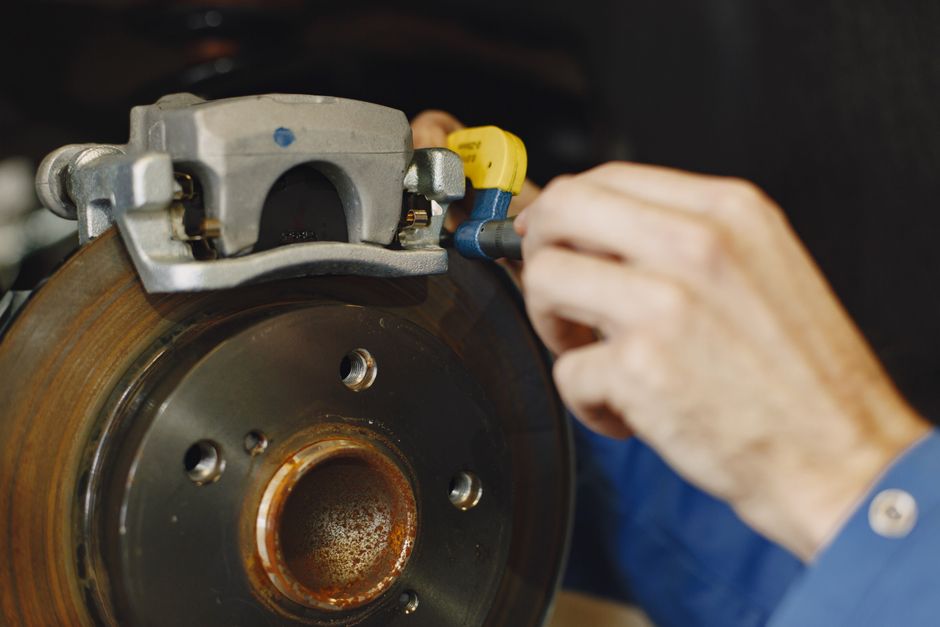
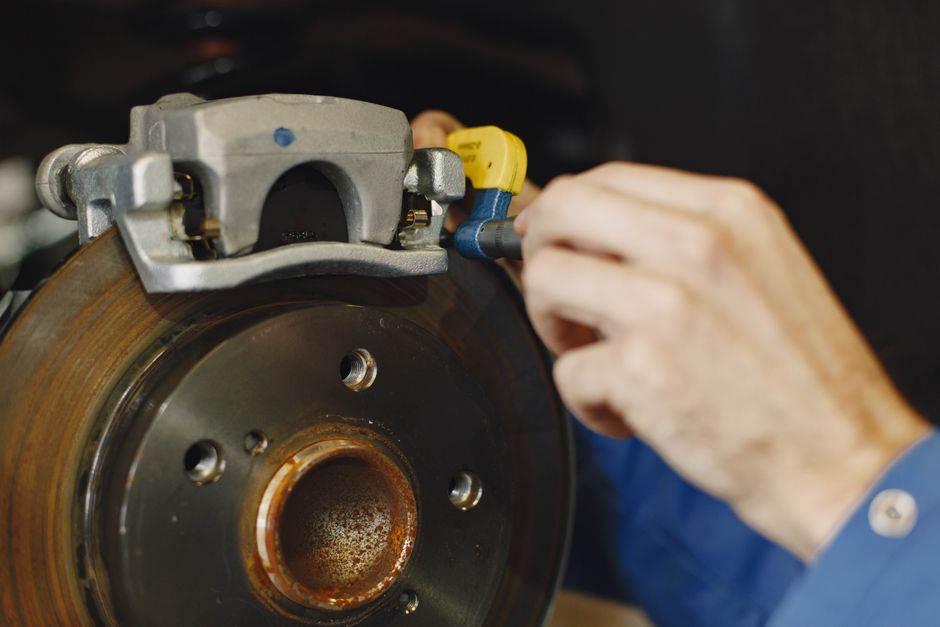
Brake fluid absorbs moisture over time, which can lower its boiling point and affect braking performance. Many manufacturers recommend replacing brake fluid every two to three years, regardless of mileage. Checking these fluids during routine oil changes is a convenient way to ensure they remain at proper levels and conditions.
A useful list of fluids to monitor includes:
- Engine oil
- Transmission fluid
- Coolant
- Brake fluid
- Power steering fluid
- Windshield washer fluid
Each fluid has its own service interval, which can be found in the owner’s manual. Combining these checks into a scheduled maintenance plan helps cover all major systems.
Preventive Maintenance and Vehicle Resale Value
Consistent maintenance not only supports engine reliability but also contributes to the vehicle’s market value when it comes time to sell or trade it. Buyers often look for vehicles with documented service histories, as these records suggest that the car has been cared for and is less likely to have hidden issues.
Appearance-related maintenance, such as keeping the interior and exterior clean, also plays a role, but mechanical care is often the primary concern. A well-maintained engine that has received timely oil changes, belt replacements, and fluid services is generally considered more desirable. In contrast, a vehicle with gaps in its maintenance history may face lower offers or longer time on the market.
It is important to note that resale value depends on many factors, including overall condition, mileage, market demand, and regional preferences. Regular maintenance is one element that may positively influence that value, but it is not the sole determinant. Keeping detailed records of services performed, including dates and mileage, can provide transparency for potential buyers.
Creating a Maintenance Schedule That Works
Developing a personalized maintenance schedule involves reviewing the manufacturer’s recommendations and adjusting for driving conditions. A good approach is to start with the owner’s manual and identify the intervals for each task. Then, consider how the vehicle is used—whether it involves mostly highway miles, short trips, or towing—and decide if more frequent service is warranted.
Many drivers find it helpful to use a digital or physical log to track maintenance. Some vehicles have built-in maintenance reminders that alert the driver when service is due. Third-party apps and reminders from service providers can also assist in staying on schedule. The key is consistency rather than perfection.
When scheduling maintenance, it may be beneficial to group tasks that occur at similar intervals. For example, if the oil change interval is 5,000 miles and the tire rotation interval is also 5,000 miles, they can be done together. This approach saves time and helps ensure that nothing is overlooked. Consulting with a trusted technician can provide additional guidance on how to structure a schedule that fits the vehicle and the owner’s lifestyle.